
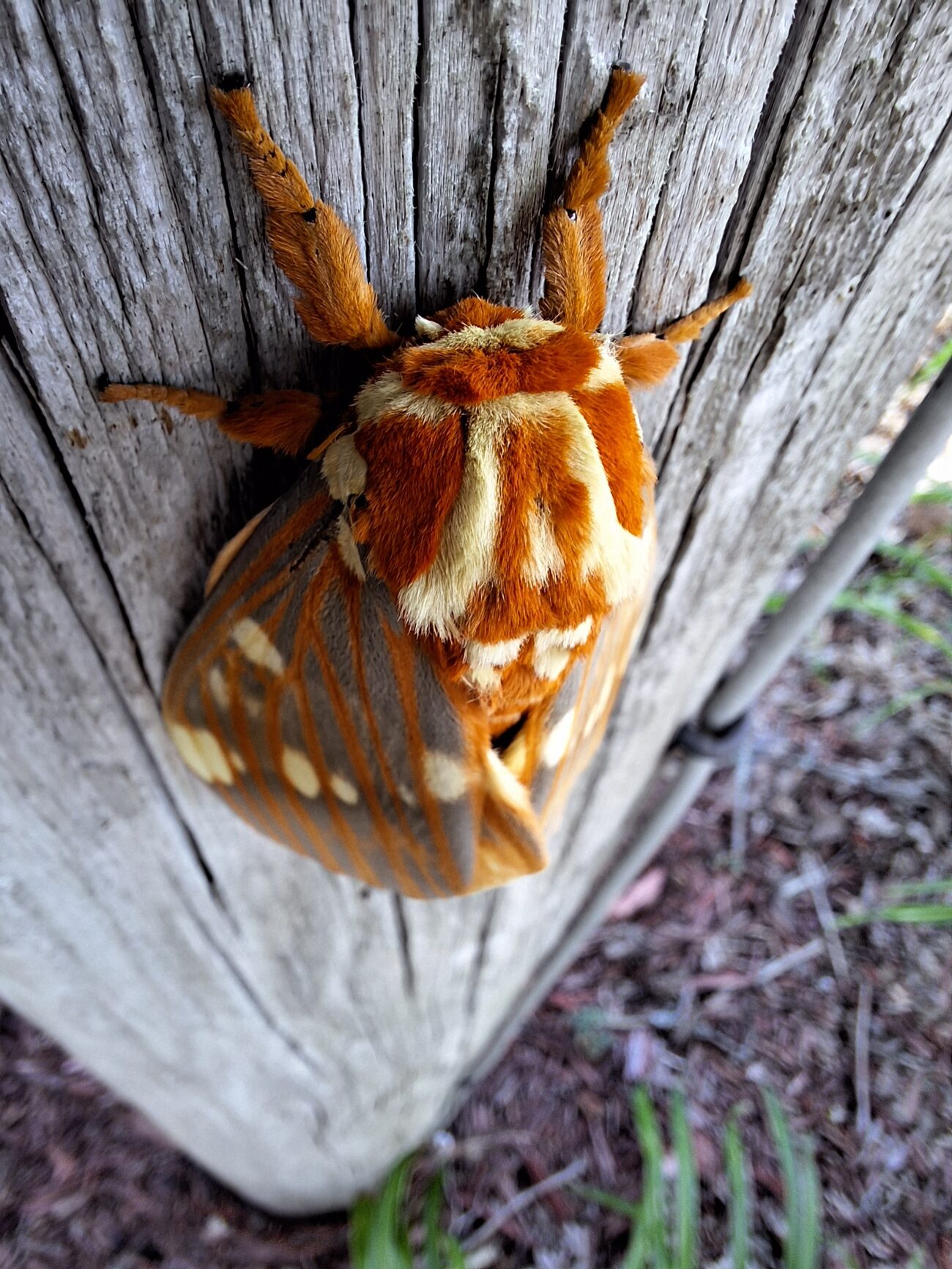
SER-MWGL Fall 2026 Webinar: Comparative Abundance and Biomass of Lepidoptera in Managed and Unmanaged Hardwood Forests of Southern Illinois
REGISTER HERE!
Title: Comparative Abundance and Biomass of Lepidoptera in Managed and Unmanaged Hardwood Forests of Southern Illinois
Presenter: Kevin Rohling
Date/Time: Tuesday, November 10; 12-1pm (Central)
Presenter Bio: Kevin Rohling serves as an Extension Specialist in Forest Management and Ecology at the University of Illinois Extension, conducting research and educational programming on forest management, ecology, invasive species, prescribed fire, wildlife, forestry technology, and natural areas management. He earned graduate degrees from Southern Illinois University Edwardsville and the University of Illinois Urbana-Champaign and has over 20 years of experience in natural resource conservation with state, federal, nonprofit, and academic organizations.
Webinar Description: Global declines in biodiversity and insect populations have raised concerns around defaunation. Forest management practices such as prescribed fire, thinning, and timber harvest can significantly alter vegetation and forest structure, and in some cases cause direct mortality, while changing habitat in complex ways that alter insect communities. This study assessed how forest management treatments affect moth abundance and biomass. Ultraviolet light traps were deployed across two sites in southern Illinois, and among units undergoing management treatments: control, burn-only, thinning, thinning and burning, and harvesting and thinning and burning. Over 7 trap-nights across all treatments in 2023, 3789 moths were collected, totaling 155.18 grams of biomass. Forest management units were not identified as direct predictors of abundance, mass, or mean mass in models. However, several vegetation differences related to management were found to be important predictors, including the number of large trees (DBH >18 inches), average tree DBH, tree species richness, and fern cover in the herbaceous layer. The sites themselves were also important factors leading to differences in abundance and biomass. Moth abundance and biomass were nearly double at Trail of Tears State Forest, a large unfragmented forest block, compared to the smaller, more fragmented Dixon Springs Agricultural Center. Results suggest that vegetation and structure influences moth abundance more strongly than recent management alone, though long-term effects of silviculture on moths may take decades. This study highlights the complexity of insect responses to forest management and the need for long-term monitoring for forest management practices to assess support for biodiversity.
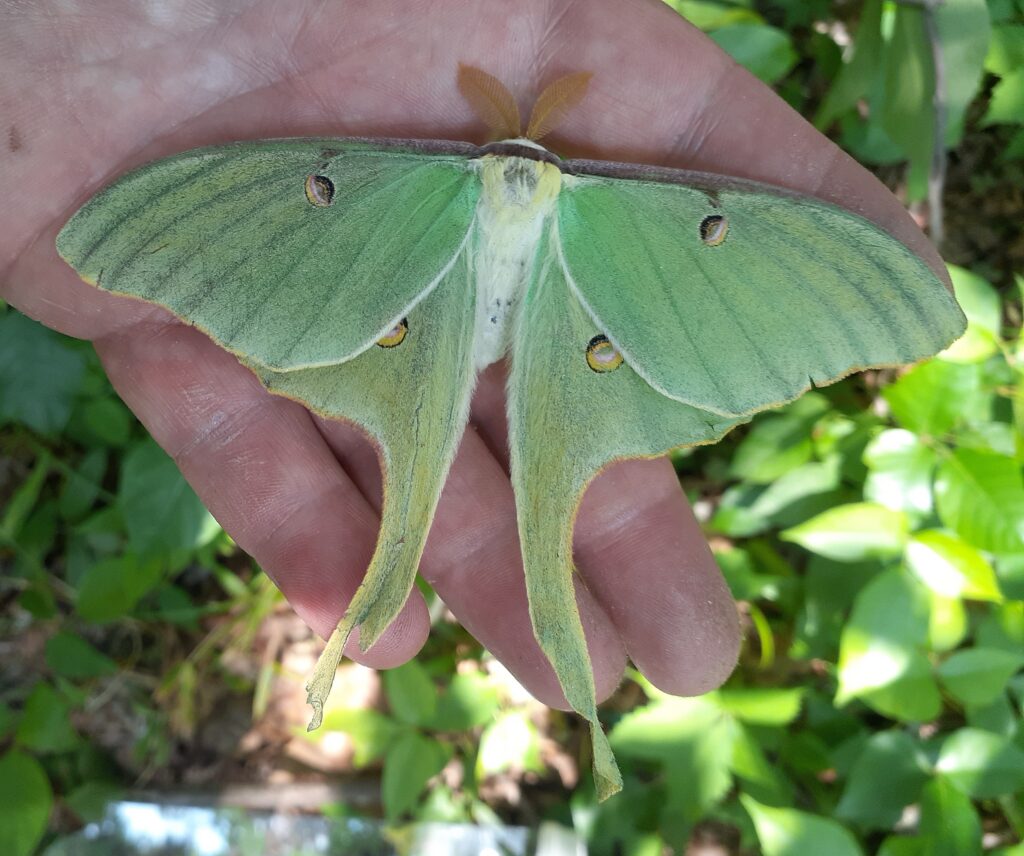
Photo credit: Kevin Rohling (including featured image)