
The Board Officers and Staff include two co-chairs (one from Québec and one from Atlantic Provinces, a minimum of 3 up to 14 Board Members or Directors with equal participation (when possible) of representatives from Québec and Atlantic provinces, and one non-voting coordinator.
Les dirigeants du conseil d’administration et le personnel comprennent deux coprésidents (un du Québec et un des provinces de l’Atlantique, un minimum de 3 à 14 membres ou administrateurs du conseil avec une participation égale (si possible) de représentants du Québec et des provinces de l’Atlantique, et un coordinateur non-votant
The Board is composed of the following peoples / Le conseil d’administration est composé des personnes suivantes :
Co-Chairs:
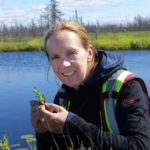 Line Rochefort, the Quebec Region Co-chair of SER-EC, is a professor in the Department of Plant Sciences at Université Laval (Québec, Canada) and member of the Centre for northern studies (CEN). She has founded the Peatland Ecology Research Group and she is the instigator of a new field of research in Canada, namely the development of peatland restoration techniques after peat extraction or infrastructure disturbances and of Sphagnum farming projects. Other fields of expertise are: ecology of Greater Snow Goose nesting habitat in the Arctic; restoration of borrow pits of roads and mining sites in boreal regions using native plants, in particular with bryophytes and lichens (biological crusts). She is also the National correspondent for Canada for the Scientific and Technical Review Panel (STRP) of the Ramsar Convention.
 Holly Abbandonato, Ph.D. is a plant ecologist and botanist specializing in wetland ecology, native seed science, and ecological restoration. She holds a Ph.D. in Earth and Environmental Science from the University of Pavia, where she was a Marie Sklodowska-Curie Fellow. Her education also includes a Master’s in Northern Populations and Ecosystems from the Arctic University of Norway, and undergraduate degrees in Biology, Environment and Natural Resources, and Anthropology from the University of New Brunswick.Holly has worked in both academia and conservation, with roles at Mount Allison University, Ducks Unlimited Canada, and now the Canadian Wildlife Federation. Her research has focused on wetland restoration, carbon sequestration, and seed-based restoration. She’s contributed to policy recommendations, published in peer-reviewed journals, and presented at national and international conferences. Holly also holds adjunct professor status at Mount Allison and the University of New Brunswick. She is very passionate about science communication and environmental education.Holly lives in Moncton, New Brunswick, where she enjoys foraging for mushrooms, hiking, yoga, and cooking meals for friends using local ingredients
Board Members (Quebec Region):
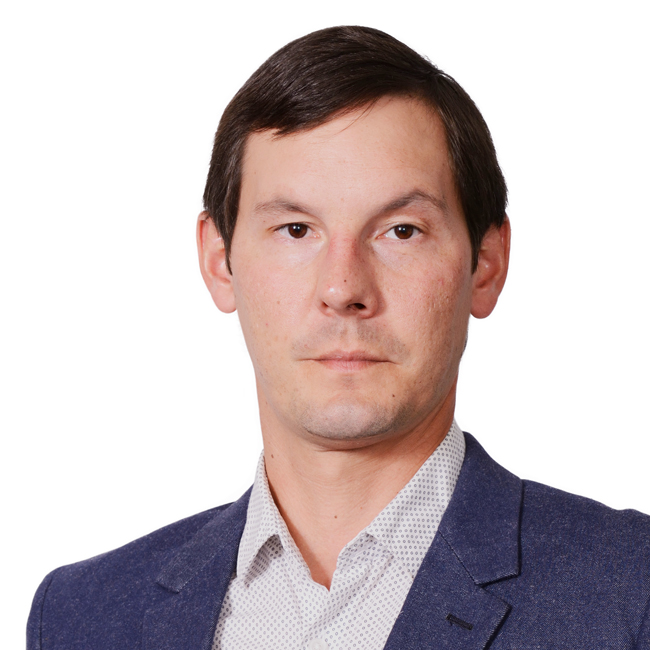
Bérenger Bourgeois is the treasurer of SER-EC, and he is an assistant professor in the Department of Plant Science at the Faculty of Agricultural and Food Sciences at Université Laval. His work aims to promote the development of sustainable, multifunctional agriculture capable of reconciling agricultural production and environmental preservation.
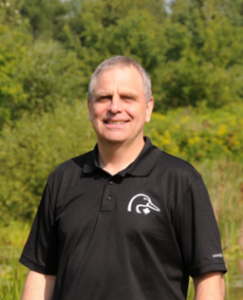
André Michaud: André has a bachelor’s degree in biology, and he is the manager of the Wetland Creation and Restoration Program with Ducks Unlimited Canada. He specializes in wetland restoration and creation projects for waterfowl and fish, mainly along the St. Lawrence and Ottawa rivers.
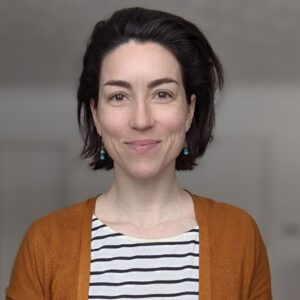
Marie-Claire LeBlanc: Marie-Claire has a Master’s degree in Land Use Planning and Regional Development from Université Laval and spent 10 years at the Peatland Ecology Research Group (PERG). She co-edited the new edition of the Peatland Restoration Guide (2020) and she is the Projects, Peatlands Affairs and Communications Manager with the Canadian Sphagnum Peat Moss Association (CSPMA).
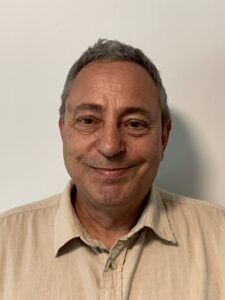 François Quinty: François has a Master’s degree and specializes in peatlands; he joined the Peatland Ecology Research Group (PERG) in 1992. His work includes vegetalization and stabilization of disturbed sites such as sand and gravel pits, roadsides and mine tailings, as well as restored wetlands in the boreal zone of Québec. He has also directed environmental impact assessments for peatland development projects in Québec, New Brunswick, Saskatchewan and Manitoba.
Isabelle Picard: Since 200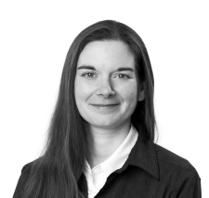 1, Isabelle has worked as a biologist specializing in aquatic wildlife and as a project manager. She is recognized as an expert in the ecology and identification of amphibians, reptiles, fish, crayfish, and mollusks in Eastern Canada. She has developed expertise in scientific, technical, and popular writing. Isabelle is regularly called upon to write scientific opinions as well as to deliver conferences and training in her field.Her professional career is marked by extensive experience in managing a wide range of projects of varying scales within multidisciplinary teams. She has developed strong skills in identifying innovative techniques and solutions to meet the objectives of applied research projects, the development of monitoring programs, and the design of wetlands, aquatic environments, and wildlife habitats.
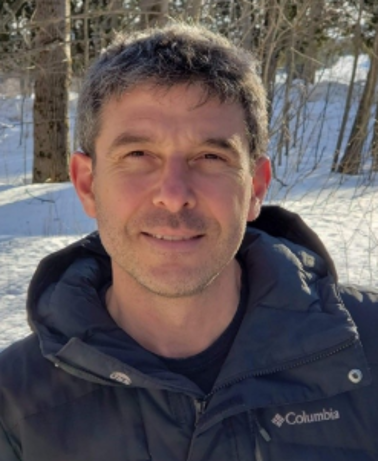
Steve Hamel: is a biologist at WWF-Canada, where he designs and implements habitat restoration and biodiversity conservation projects. He earned a bachelor’s degree in biology from UQAM in 1996 and began his career in British Columbia as a field technician conducting Marbled Murrelet and forest bird surveys. Since then, he has led numerous ecological assessments and contributed to the development of restoration projects. Today, he builds partnerships with academic, government, and industry organizations to advance ecological restoration initiatives and long-term monitoring programs. Based in Centre-du-Québec, he combines more than 20 years of field experience with applied science.
Simon 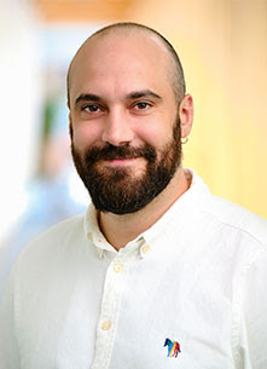 Taurines: is a professor at the Université du Québec en Abitibi-Témiscamingue (UQAT) and a researcher at the Mining and Environment Research Institute (IRME). His research focuses on ecological restoration of boreal mine sites, with expertise in vegetation succession, rewilding, invasive species management, and interdisciplinary restoration approaches that bridge ecology, soil science, and mining restoration. He collaborates closely with industry and government partners and is actively involved in mentoring the next generation of restoration professionals.
Board Members (Atlantic Region):
 Tony M. Bowron works on coastal wetland restoration and related climate change adaptation projects throughout Atlantic Canada since 1998 had contributed to the restoration of over 400 ha tidal wetland habitat. His areas of expertise are tidal wetland ecology, restoration and monitoring; climate change adaptation; building with nature; dykeland management; coastal resilience. He is CEO & coastal wetland ecologist with CBWES Inc., a Nova Scotia–based habitat restoration and environmental research, co-founder of the TransCoastal Adaptations Centre for Nature-Based Solutions, and an adjunct professor in the Department of Environmental Science at Saint Mary’s University.
 Sarah Scarlett is a Project Coordinator with McCallum Environmental Ltd, a predominant biophysical consultant in Atlantic Canada specializing in wetland and aquatic assessments, restoration and offsetting. She has over 10 years experience in wetland sciences, research and restoration work across Canada in academic, government, industry and consulting sectors. She has participated in in multiple environmental committees and projects in western and eastern Canada and led the implementation of Manitoba’s peatland management Act and Regulations as the province’s Peatland Specialist.
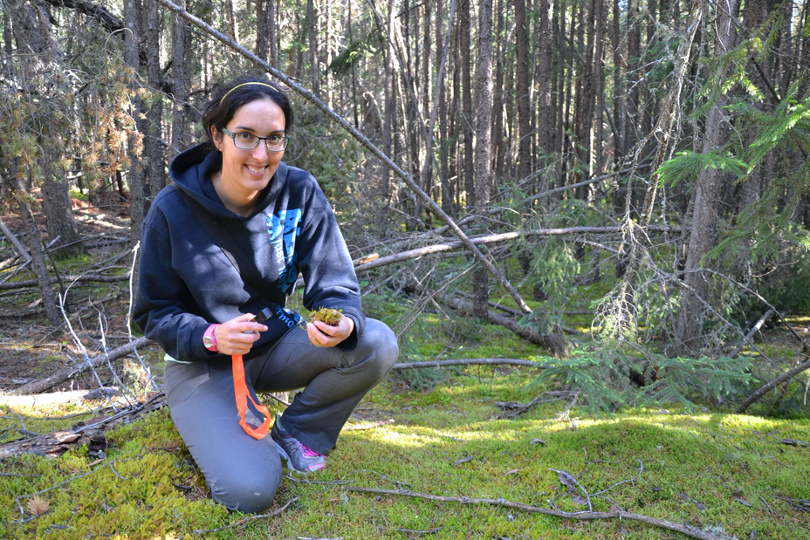 Mélanie Jean is the secretary of SER-EC, and she is an assistant professor in the Département de biologie from the Université de Moncton. Her research focuses on bryophyte and understory plant ecology in the temperate to subarctic forests, including plant community dynamics, human or natural disturbances, plant-soil and plant-microbiota interactions, nitrogen fixation and functional traits.
 Ellie Goud is an Assistant Professor at Saint Mary’s University and Adjunct Professor at the University of Waterloo, where she also completed her postdoctoral research. He has a PhD in Ecology & Evolutionary Biology from Cornell University, an MSc in Geography and a Bsc in Botany both from McGill University. Her research is related to plant responses to environmental stress, especially soil salt, acid and metals.
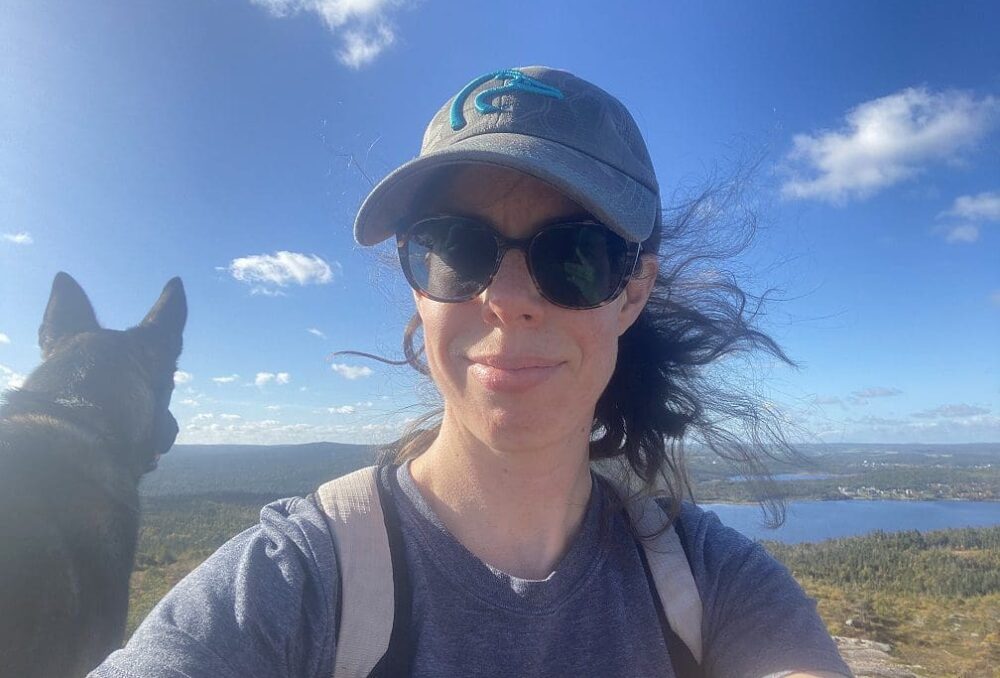 Danielle Fequet has an MS in Environmental Science from Memorial University, and has been working for Ducks Unlimited Canada in Newfoundland and Labrador since 2010. She is the Head of Land Securement and Stewardship in DUC’s conservation programs.
Haley Ma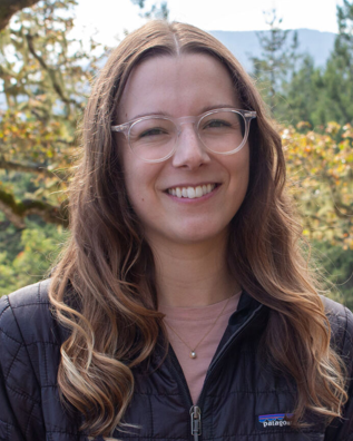 cDonald: holds a Bachelor of Science in Environmental Science and Biology from Dalhousie University (2019) and has seven years of experience in conservation and ecological restoration across aquatic and terrestrial ecosystems, focusing on strengthening ecosystem resilience through collaborative, nature-based solutions.She began her career with the Mi’kmaw Conservation Group working on species-at-risk recovery and Indigenous knowledge integration, then joined the Nature Conservancy of Canada in Nova Scotia, where she led monitoring and management planning for over 50 conservation properties. After moving to British Columbia, she coordinated stewardship of more than 8,500 hectares of conservation lands and supported large-scale restoration projects, and now serves as Coastal Adaptation Project Manager with CBWES Inc., leading nature-based coastal resilience projects including living shoreline implementation.
L auren Stead: is a Senior Manager with WWF-Canada, where she leads restoration initiativesacross New Brunswick and Nova Scotia. Based in Fredericton, New Brunswick, she brings more than a decade of experience advancing conservation and ecological restoration in the province. Lauren holds a master’s degree in forest ecology and began her career managing a pilot invasive species restoration program. She has since held roles within the provincial government and the non-profit sector, contributing to protected areas planning, species-at-risk stewardship and the development of restoration projects. In her current role, Lauren cultivates partnerships with a wide network of restoration practitioners to design, support, and implement impactful restoration efforts, whilestrengthening restoration capacity across the region.
Dr. M. Gra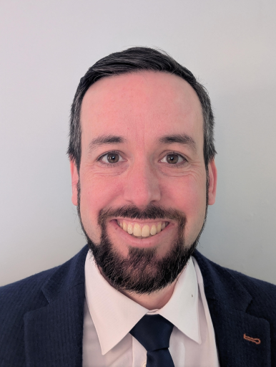 ham Clark : is a reclamation scientist and Assistant Professor in Earth and Environmental Sciences at Saint Francis Xavier University. His research focuses on biometeorology and hydrogeology of constructed and disturbed landscapes, particularly carbon and water cycling in reclaimed peatlands and coastal systems, using field measurements, remote sensing, and numerical modelling. He holds a PhD in Geography from Carleton University (2018) and completed a postdoctoral fellowship at McMaster University, where he studied ecosystem and hydrological dynamics of reclaimed mine landscapes. His work integrates landform design, ecosystem development, and climate processes in collaboration with academic, government, and industry partners, alongside teaching and student supervision.
Student observers:
Aamir Shehzad Khan is a PhD candidate associated with the Peatland Ecology Research Group (PERG/GRET) at Université Laval. Bryophytes are Aamir’s favorite plant group, and he is enthusiastic about exploring and understanding the vital roles these fascinating plants play in different ecosystems, particularly in peatland restoration. Aamir firmly believes that community & stakeholder engagement, research communication, and knowledge transfer are essential pillars of modern academia. His research philosophy centers on the idea that love for nature and science has no boundaries and that collective action can drive a meaningful change.
 Laurence Côté is a PhD candidate in Plant Biology at Université Laval, specializing in the restoration of northern ecosystems, particularly peatlands. Her doctoral research focuses on restoring mined fen peatlands in Western Canada in the context of climate change and biodiversity conservation. She holds a Master’s degree from Université Laval, where she studied the impacts of climate change on Inuit archaeological sites in Nunavik using a phytoarchaeological approach. She has field experience in northern regions (Nunavik, Côte-Nord) and skills in soil analysis, data processing, and R programming. She is also active in student-led ecological restoration initiatives.
Staff:

Daniel Campbell, Executif Director:Daniel Campbell is an environmental scientist with degrees from the University of Guelph (B.Sc., 1992), Universiy of Waterloo (M.Sc., 1995) and Université Laval (Ph.D., 2002). After post-dotoral research studying wetlands in Louisiana, he taught and conducted research for almost a decade in Laurentian University in Sudbury. He started a one-person consultancy, Birchbark Environmental Research Limited in 2018. Recently, he is happy to have joined the SER family. He has worked extensively in subarctic, boreal, temperate and subtropical biomes, and has authored over thirty scientific papers in international journals. He is fluent in English, French and Spanish.

Abir Achour, Communication Agent: Abir Achour is the coordinator of the NSERC CREATE NASER program at Université Laval since September 2024, leading a multidisciplinary training program focused on nature-based solutions foe ecosystem restoration. With over 18 years of experience, she brings strong expertise in project management, training, and digital innovation, gained in international contexts, notably with interntional organizations and in the vocational training sector.